

What do you do when your own mind becomes a room you can no longer stand to live in? The story shared by Xavier in this episode is unlike any other ever told on the show. You’ll want to tune in for this one, as he shares his ups, his many downs, and most importantly how he was able to reclaim his narrative.
For most people, a profound psychological crisis means shrinking their world. You pull the blinds, lock the doors, and try to minimize the threat surface of ordinary life. But at age 22, Xavier Nuez experienced a severe nervous system collapse. A breakdown that completely snapped the connection between his brain and his mouth, leaving him unable to even speak his own name during a job interview.
It was a devastating baseline of complex PTSD. His internal fight-or-flight switch was permanently jammed in the “on” position, making ordinary, daytime life feel like a constant state of being hunted.
The daytime world felt entirely broken. But instead of retreating, Xavier did something that defies standard logic: he grabbed a massive large-format camera, waited for the sun to go down, and walked alone into the darkest, most dangerous abandoned ruins in America.
Alleys & Ruins by Xavier Nuez
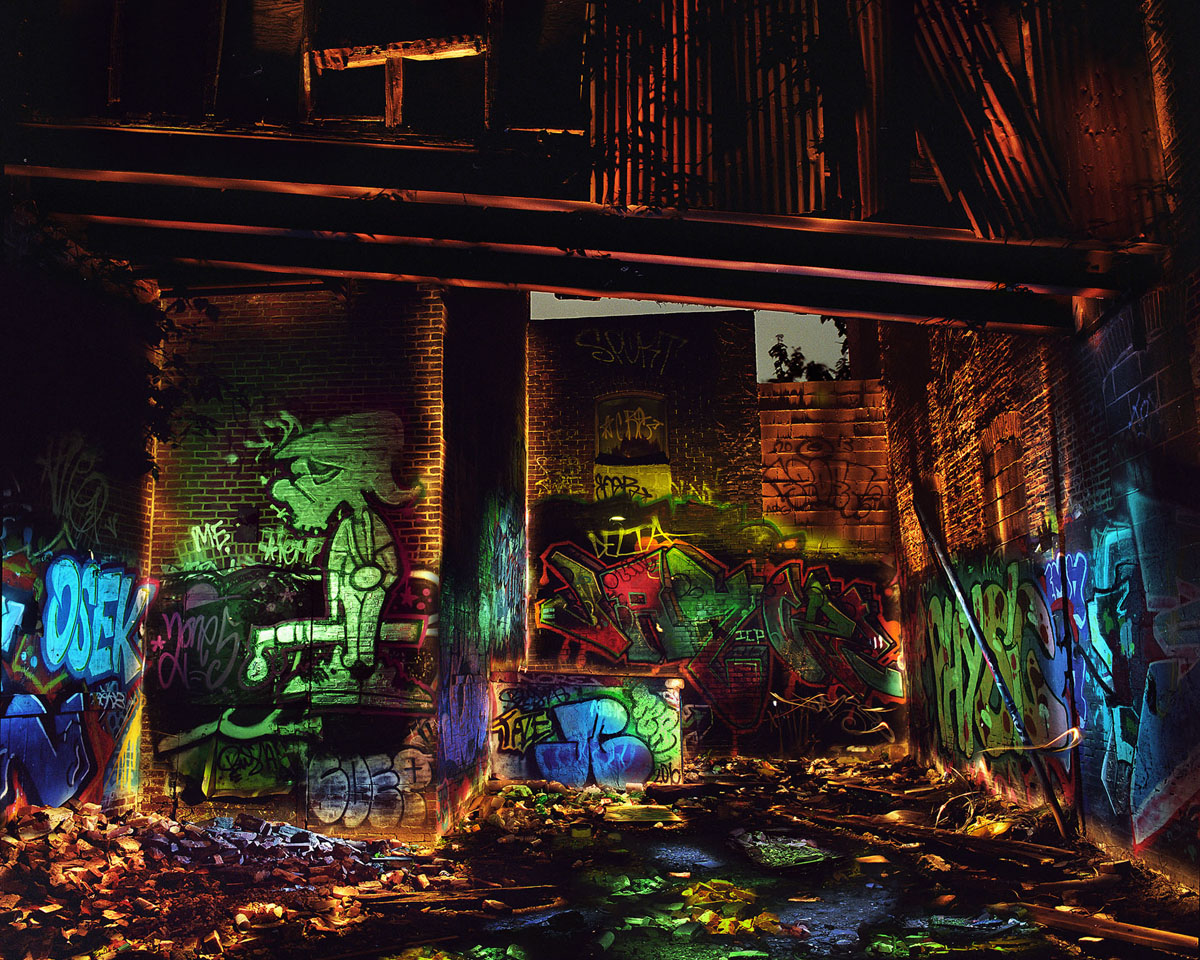
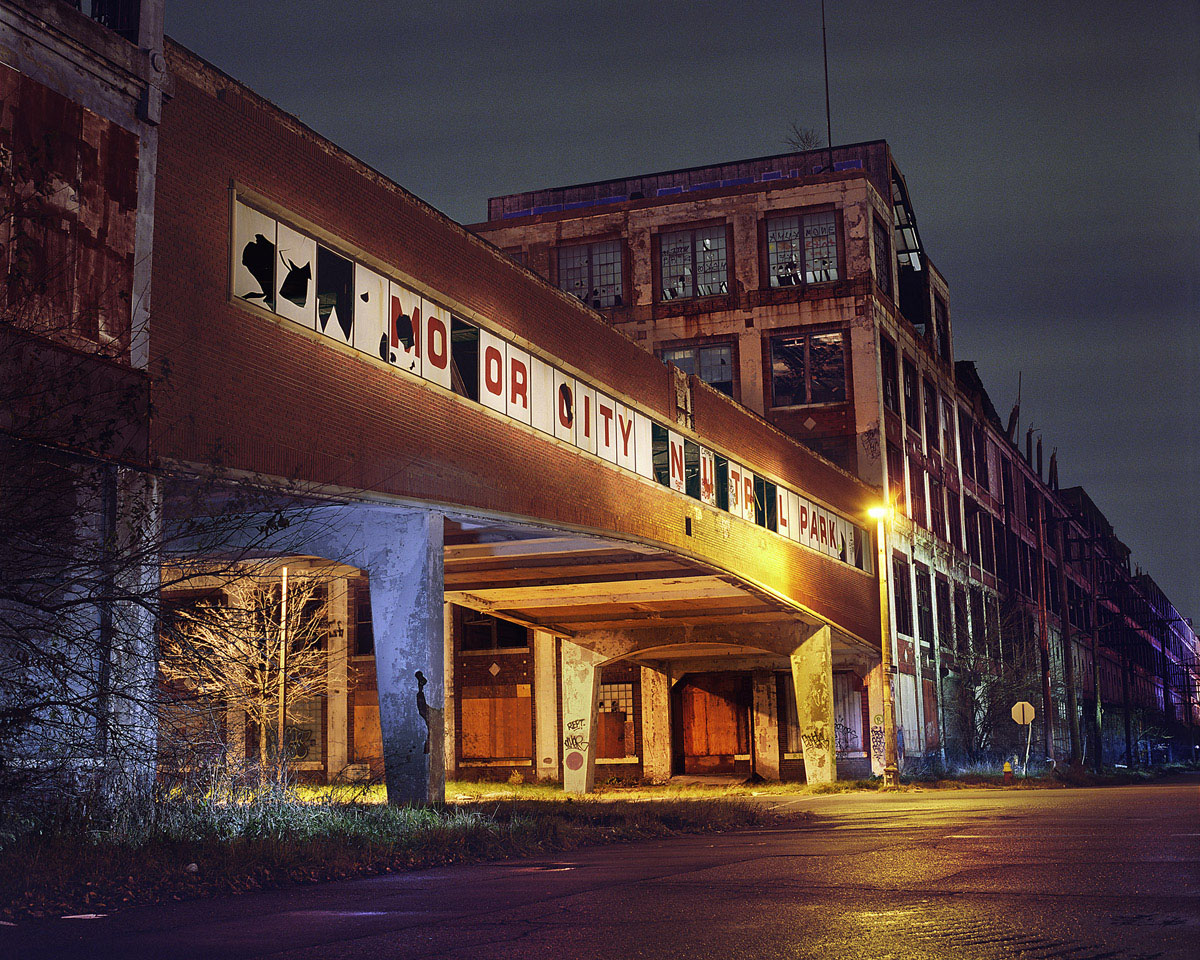
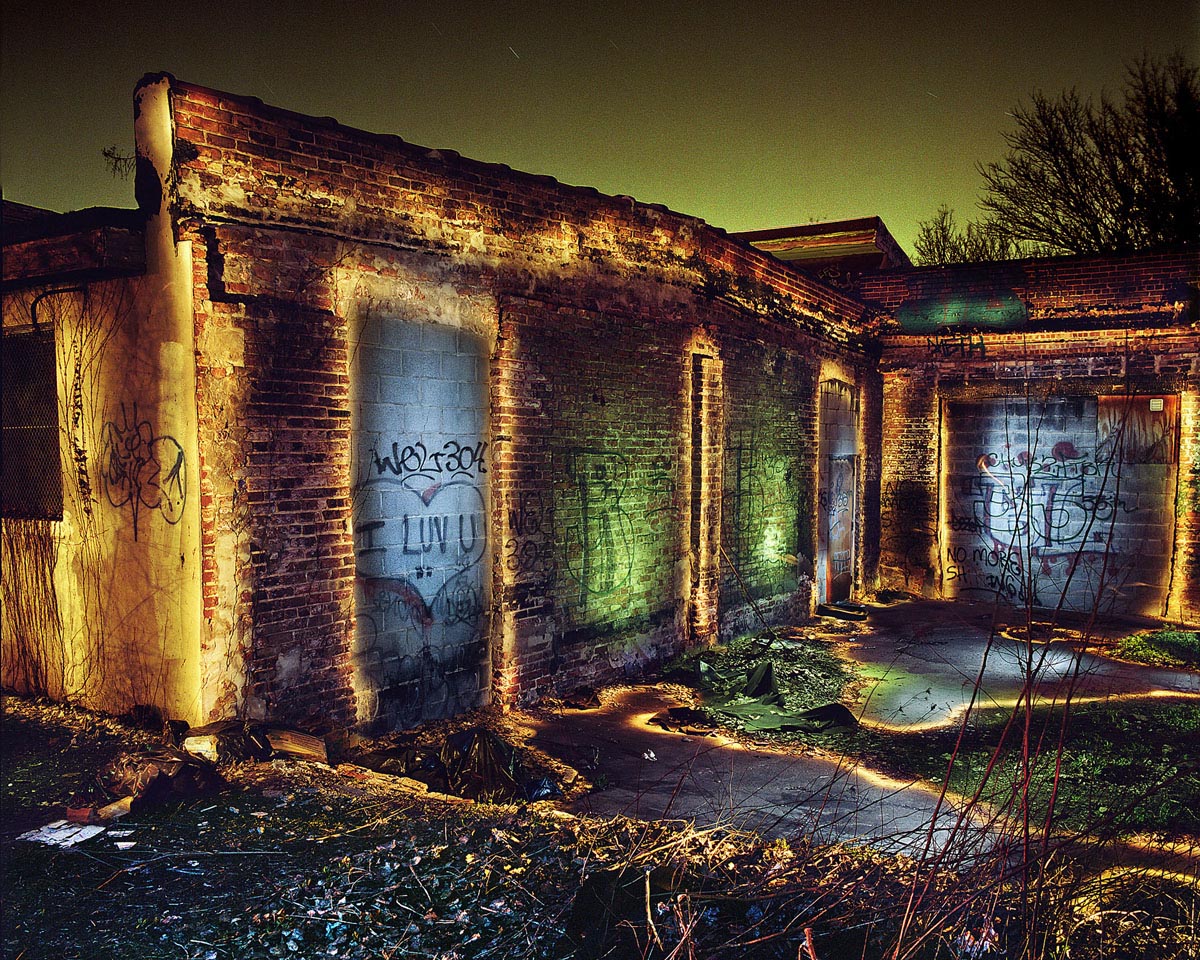
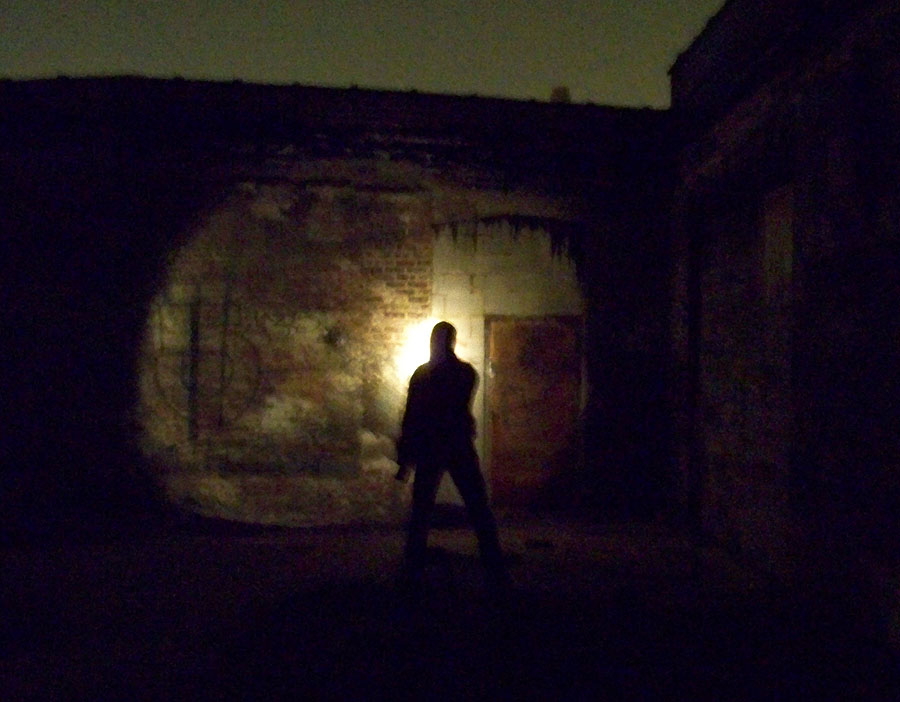
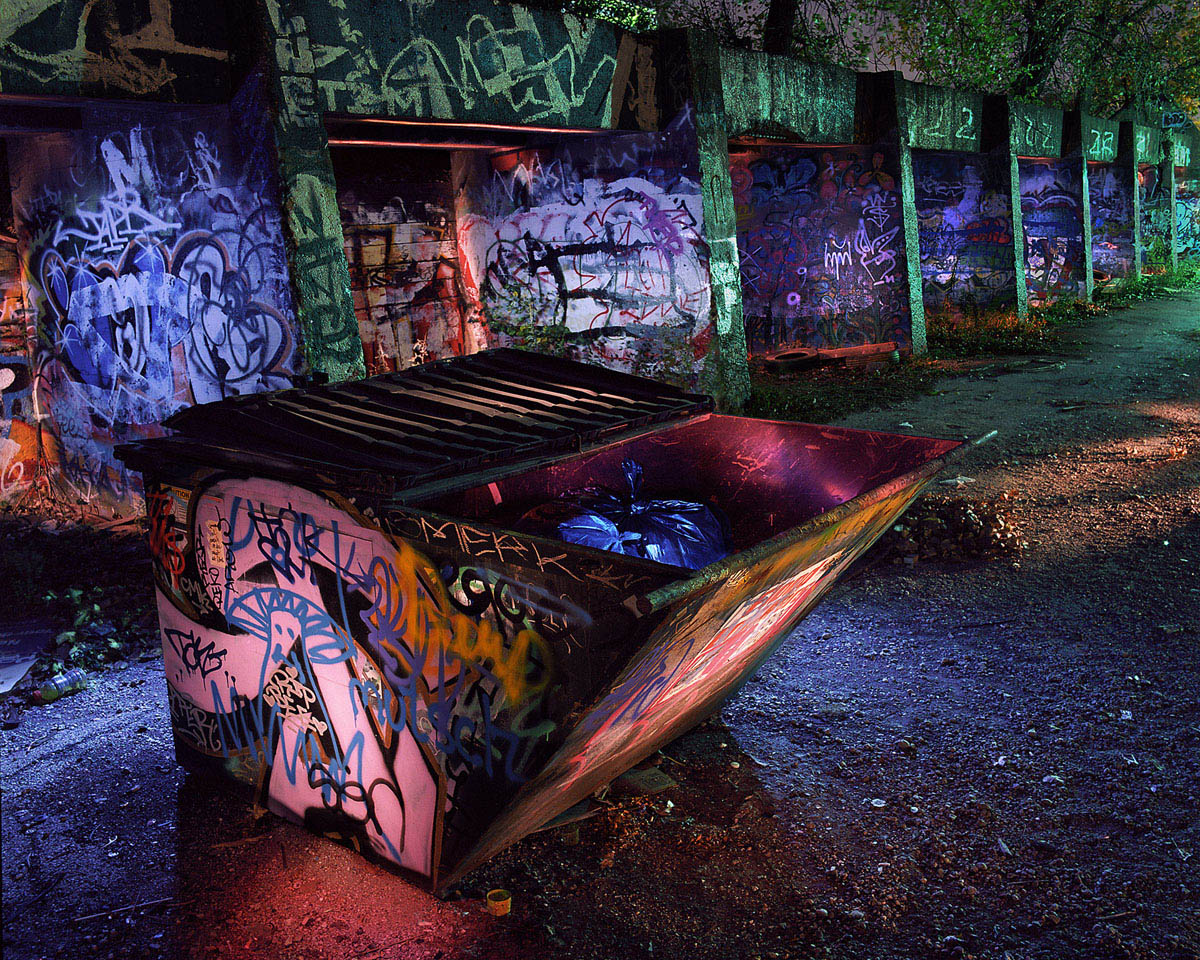
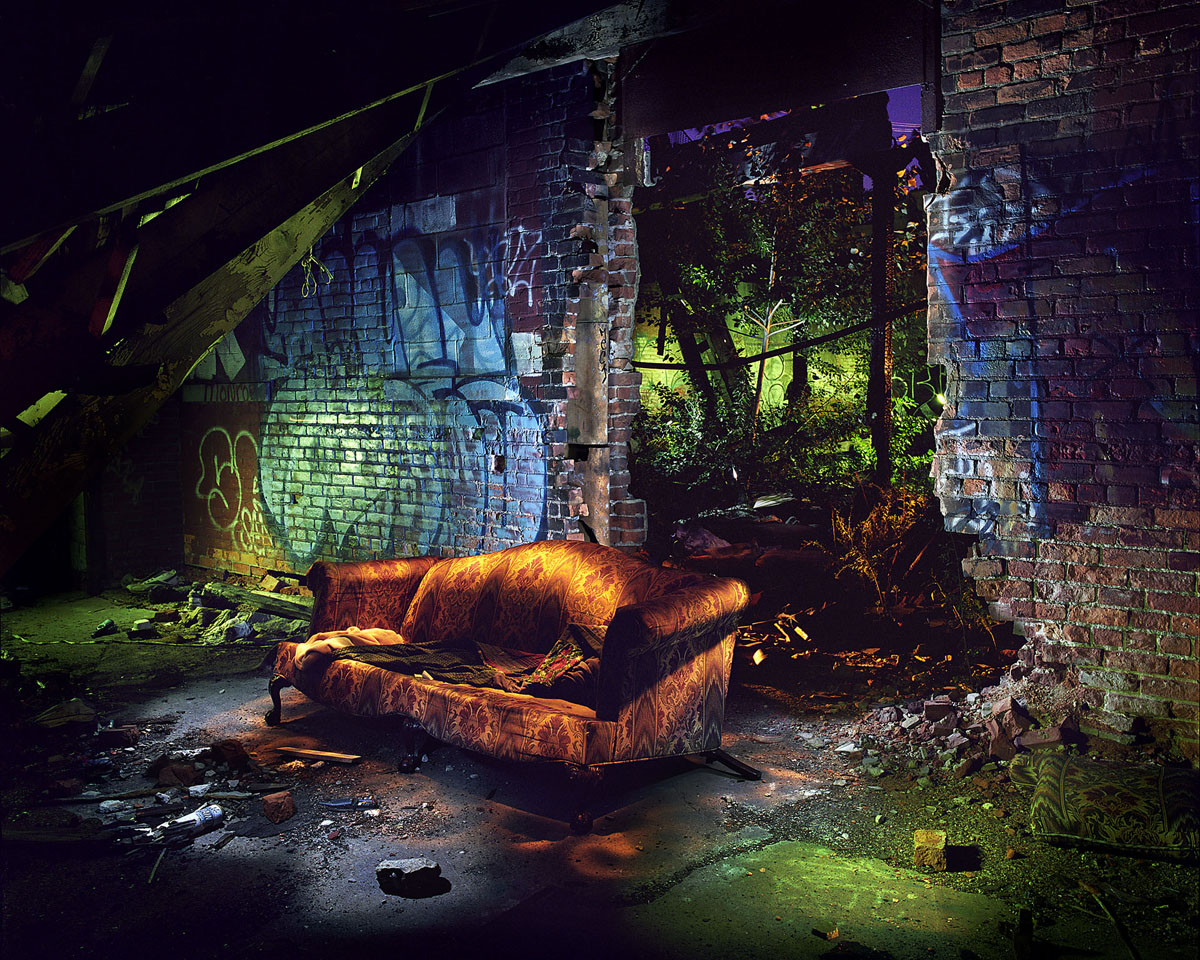
Select shots from the collection, as shared with permission by Xavier Nuez. Please note that rights to these photos remain exclusively with the artist.
The Loss – When Luminous Joy Vanished
Before the collapse, Xavier was an optimist developing a photographic voice he called “Luminous Joy” – a style built on bold, vibrant, positive imagery. When his nervous system crashed, that vision vanished instantly. Every time he tried to force it during the day, the camera only returned drab, alienated images that mirrored his internal suffering. Needless to say, his pain in this moment was immense and profound – I believe he described it as losing his best friend.
The flip happened when he stopped mourning the loss of the light and decided to see what his “dark antenna” could find. Paralyzed by daytime social anxiety, he took his tripod into a pitch-black, forgotten alley in Montreal simply to escape human contact.
And there, the paradox of his life revealed itself. His hyper-vigilance, which felt like a debilitating illness on a sunny sidewalk, suddenly found its native environment. In a dangerous alley, scanning for actual physical threat was exactly what his system was built to do. For the first time in years, the psychological noise quieted down. The danger zone felt safer than the sidewalk.
The Flipped Narrative: Saving the Space to Save the Self
This wasn’t a temporary escape; it became a 25-year, 1,200-night mission across 30 cities. Xavier wasn’t just taking pictures; he was leaning entirely on his artistic integrity as a mechanism for survival.
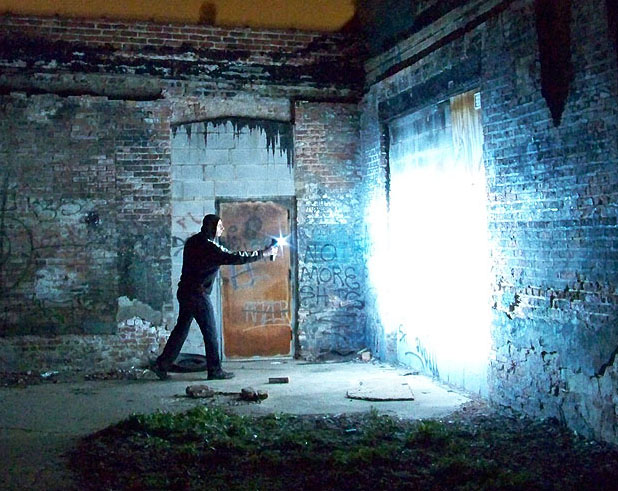
The physical process required absolute, agonizing patience. Working in the deep dark with large-format film meant exposures lasted 30 to 40 minutes. Xavier had to stand perfectly still in the shadows, manually painting the crumbling structures with handheld lights. He couldn’t check a digital screen; he had to trust his eye, his light, and his total presence.
When he developed the film, he discovered a brilliant inversion: by illuminating the grime, the garbage, and the scars of these forgotten places, he wasn’t creating ugly photos—he was transforming them into breathtaking masterpieces of color and light. He was using his old vision of joy to reframe the darkness. This is where Xavier’s Native Empathy shines through. He wasn’t just a spectator in these broken environments; he had a deep, intuitive understanding of their hidden potential because he was living through his own internal wreckage. And he had his professional vision available through his lens to help bring out this light.
“I always felt like I had to redeem these locations,” Xavier notes. “I would see a horrible, rundown corner, and they were all kind of a proxy for me. If I could come away transforming it from something ugly into something beautiful, it was a way of redeeming the space and unshackling it. I felt that I was redeeming a part of the ugliness in myself at the same time.”
This is the ultimate flipped context of Xavier’s journey: He spent decades thinking he was just fighting a monster in the dark, only to realize the monster was actually just the injured child version of himself trying to stay safe.
By fighting forward into the dark to save the spaces he was shooting, he accidentally built his own recovery practice. Decades later, that private lifeline has been bound into a phenomenal new memoir, Alleys & Ruins, which is now being recognized by global trauma research organizations as a clinically precise masterpiece of human resilience. He followed a strange compulsion into the dark, stood his ground, and let the art put his mind back together
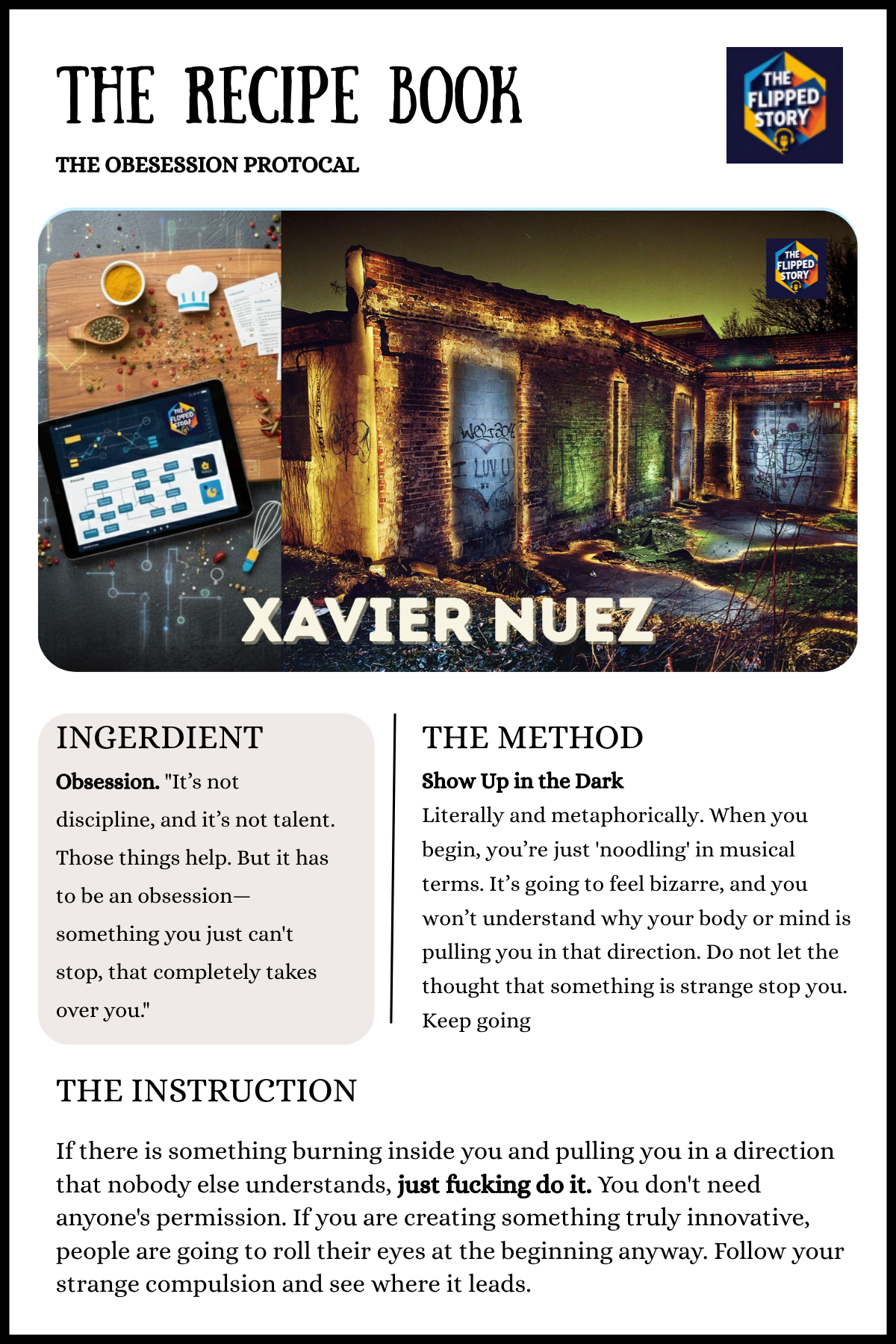
The Flipped Recipe – The Obsession
Told as only an artist could!
Listen & Watch the Full Journey
Discover the full, adult-paced conversation with Xavier Nuez across all platforms:


Discover Xavier
Xavier Nuez’s phenomenal memoir and photographic retrospective is available at Nuez.com.